Attention! From 20.10.2026 laser vision correction prices increase by 15% Attention! From 20.10.2026 laser vision correction prices increase by 15% Attention! From 20.10.2026 laser vision correction prices increase by 15%

Until the end of the campaign:

Days
Hours
Minutes
Seconds

Center of Expert Neuro-Ophthalmology

Neuro-ophthalmology

One visit — 15 examinations of the visual system and an answer to why your vision has changed. A field at the crossroads of ophthalmology, neurology and neurosurgery: retina, optic nerve, chiasm, visual pathways and the cortical vision centers.

Doctor of Medical Sciences Head of the Ukrainian Neuro-Ophthalmological Association 25 years of experience
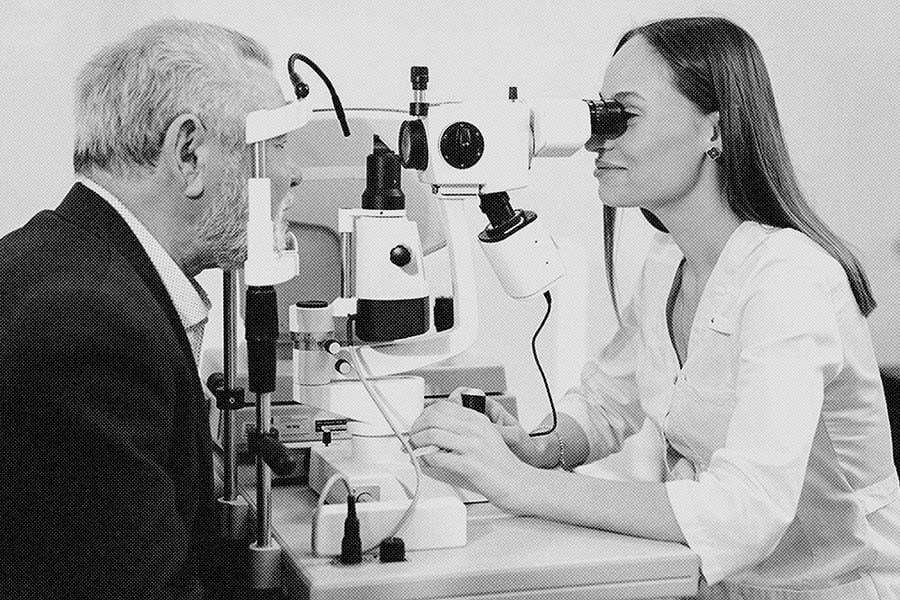
Patient examination at the slit lamp at the German Eye Clinic
Step 1 — examination

Examination algorithm before the neuro-ophthalmologist consultation

15 examinations in a single visit. The doctor receives a full picture of the visual system even before the consultation begins — so the discussion moves straight to the diagnosis and treatment strategy, rather than ordering additional tests.

Book an examination
1Collection of complaints, disease history and analysis of medical records
2Measurement of distance and near visual acuity without correction and with optimal correction
3Autorefractometry
4Color vision testing
5Assessment of the pupils, direct and consensual light reactions, RAPD
6Examination of the position and motility of the eyeballs
7Cover / uncover test, assessment of deviation in the primary position and the main gaze directions
8Assessment of convergence, accommodation and saccades
9Biomicroscopy of the anterior segment of the eye
10Measurement of intraocular pressure
11Computerized perimetry
12Visual evoked potentials (VEP) — as indicated
13Ophthalmoscopy of the fundus with mydriasis
14Optical coherence tomography (OCT) of the optic nerve head, the retinal nerve fiber layer and the ganglion cell complex, OCT angiography (assessment of capillary density and distribution, changes in the vascular network of the disc and macula)
15Photographic recording of the fundus and the optic nerve heads

Please note: the examination takes about 3 hours — please plan your time accordingly.

After this initial set of examinations is completed, the patient is referred for a consultation with the neuro-ophthalmologist.

Visual evoked potentials

Indications for visual evoked potentials testing

The test shows how the visual signal travels from the retina to the cerebral cortex — even when the fundus appears normal.

If these indications are present, visual evoked potentials (VEP) can be performed before the neuro-ophthalmologist consultation.

Suspected optic nerve damage: optic neuritis; compressive, ischemic, hereditary, toxic and traumatic neuropathies; optic nerve atrophy of various origins
Unexplained decrease in visual acuity or color vision in the absence of corresponding changes in the fundus and the optical media
Discrepancy between the patient's complaints, examination results and the objective ophthalmological picture
Traumatic brain injury with visual disturbances and no changes in the fundus
Demyelinating diseases (multiple sclerosis and others) — even in the absence of any decrease in vision
Assessment of visual function in young patients. For children referred for a neuro-ophthalmologist consultation, visual evoked potentials can be performed for all of them
Suspected functional (non-organic) vision loss
Opacity of the optical media, when it is impossible to assess the potential visual function after ophthalmic surgery by standard means
The eye — a window into the brain

The optic nerve is essentially an extension of the central nervous system, and more than 30 regions of the brain are involved in the visual process.

This is precisely why some neurosurgical and neurological diseases can first manifest as impaired vision, eye movement problems or double vision. At the German Eye Clinic, the consultation and diagnostics are carried out by a doctor of the highest category, a Doctor of Medical Sciences, who specializes specifically in complex vision disorders related to the nervous system and the brain.

When you should see a neuro-ophthalmologist

A consultation is needed when visual symptoms are not explained by a routine examination or are combined with neurological manifestations. The most common reasons:

Vision and visual fields

sudden or gradual deterioration or loss of vision
loss of parts of the visual field — for example, a person "doesn't see to the side"
episodes of temporary loss or decrease of vision
appearance of a "curtain", a dark spot or distortion of objects
impaired color perception or reduced image contrast

Eye movements and eyelids

double vision
impaired eye motility or strabismus that has appeared suddenly
drooping eyelid, different pupil sizes
involuntary oscillating eye movements
bulging of the eye or a noticeable change in its position

Visual phenomena and pain

blurred vision, flashes, "floaters" and other visual phenomena
pain in or behind the eye, especially during eye movements
headache accompanied by worsening vision
photophobia or increased sensitivity to light
a sensation that objects are moving or "floating" before your eyes; visual "snow", flickering, colored spots

Neurological context

discrepancy between the patient's complaints and the results of a standard ophthalmological examination
deterioration of vision after a stroke, traumatic brain injury or neurosurgical intervention
visual disorders in brain tumors, multiple sclerosis, diabetes mellitus and other neurological and systemic diseases
changes in the optic nerve detected during an ophthalmologist's examination
sharp deterioration of vision during physical exertion, overheating or a change in body position

A consultation may be needed for both adults and children.

When to seek help urgently

Seek help immediately if:

0 800 507 670
vision has suddenly decreased or disappeared in one or both eyes
double vision has appeared suddenly
part of the visual field has dropped out
a drooping eyelid or a difference in pupil size has appeared
visual disturbances are combined with a severe headache, weakness in the limbs, facial asymmetry, or impaired speech or coordination

Even when a diagnosis has already been established, the neuro-ophthalmologist helps assess its impact on vision, determine the degree of damage to the optic nerves and pathways, choose further treatment strategy and prevent irreversible vision loss.

Conditions for which a consultation is recommended

optic neuritis, ischemic optic neuropathy
optic nerve atrophy of various origins
edema and congestive optic discs (papilledema)
toxic, hereditary and compressive neuropathies
multiple sclerosis, neuromyelitis optica (NMOSD) and MOG-associated disease
tumors of the brain, orbit and optic nerves
pituitary adenomas and other diseases of the chiasmal-sellar region
intracranial hypertension and hydrocephalus
stroke and transient ischemic attacks, aneurysms and other vascular diseases of the brain
damage to the oculomotor, abducens and trochlear nerves; myasthenia gravis
thyroid eye disease
Horner's, Adie's and Argyll Robertson syndromes
traumatic brain and orbital injuries
Patient journey

One visit — from examination to a plan of action

1Examination15 examinations following the algorithm, including perimetry, optical coherence tomography (OCT), OCT angiography and visual evoked potentials (VEP) as indicated.
2Neuro-ophthalmologist consultationThe doctor analyzes the results together with your MRI, CT scans and the reports of other specialists and determines the cause of the disorders.
3Report and planA detailed written report, a treatment and follow-up plan and, if needed, a referral to a neurologist or neurosurgeon.
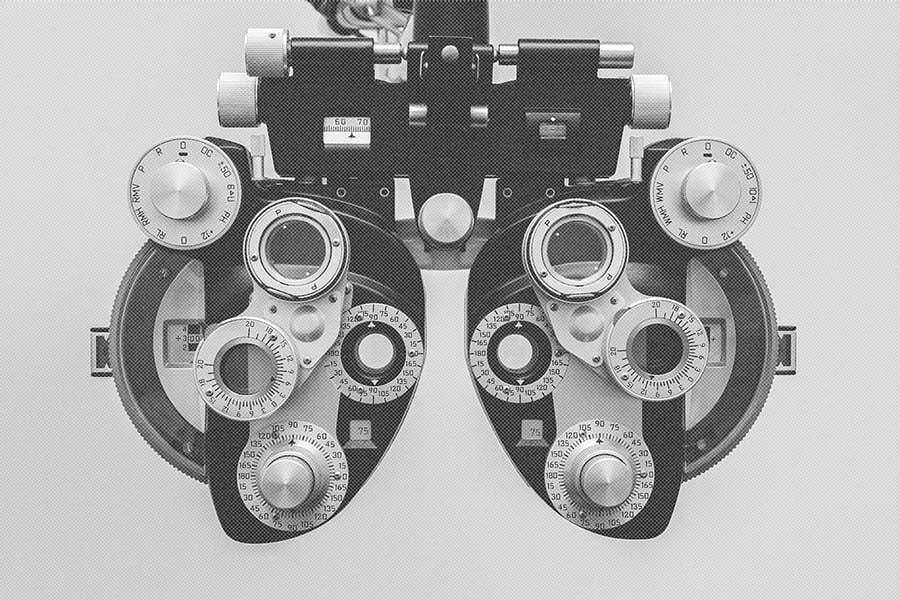
Diagnostic equipment of the clinic

What to bring to the consultation

consultation reports from related specialists (a neurologist, a neurosurgeon)
MRI or CT results of the brain, orbits and spine — the reports and, mandatorily, the images themselves on a disc or film
previous ophthalmological examinations
results of laboratory tests related to the disease
a list of all the medications you are currently taking
the glasses and contact lenses you use

Why choose the German Eye Clinic

Usually a neuro-ophthalmologist only provides a consultation and refers you elsewhere for the examinations. At the German Eye Clinic, everything needed for a diagnosis is gathered in one place: a full examination of the visual system on the most advanced equipment and a consultation with a specialist doctor — in a single visit. Our strength lies precisely in the fact that you receive not just a consultation, but complete diagnostics and a ready plan of action.

everything for a diagnosis — in one place: examination, instrument-based diagnostics and a neuro-ophthalmologist consultation in a single visit, without referrals to outside centers
all the most advanced diagnostic devices: perimetry, optical coherence tomography (OCT), OCT angiography, visual evoked potentials (VEP) and fundus photography — all on site
complete diagnostics, not just a consultation: the doctor sees the full picture of the visual system even before the conversation and moves straight to the diagnosis and treatment strategy
a combination of ophthalmological and neurological approaches
assessment of all levels of the visual analyzer — from the eye and the optic nerve to the corresponding structures of the brain
experience in diagnosing complex and rare neuro-ophthalmological conditions
our own diagnostic base — all examinations of the optic nerve and visual pathways are performed at the clinic, not in outside centers
analysis of previous reports, MRI, CT results and other examinations
determination of the cause of the visual disorders and an individual plan for further action
when needed — collaboration with neurologists, neurosurgeons, endocrinologists and doctors of other specialties

After the consultation, the patient receives a comprehensive report, an individual treatment and follow-up plan.

Our team

Center of Expert Neuro-Ophthalmology

Complex cases are discussed by a team, not by a single doctor. Appointments are available for adults and children.

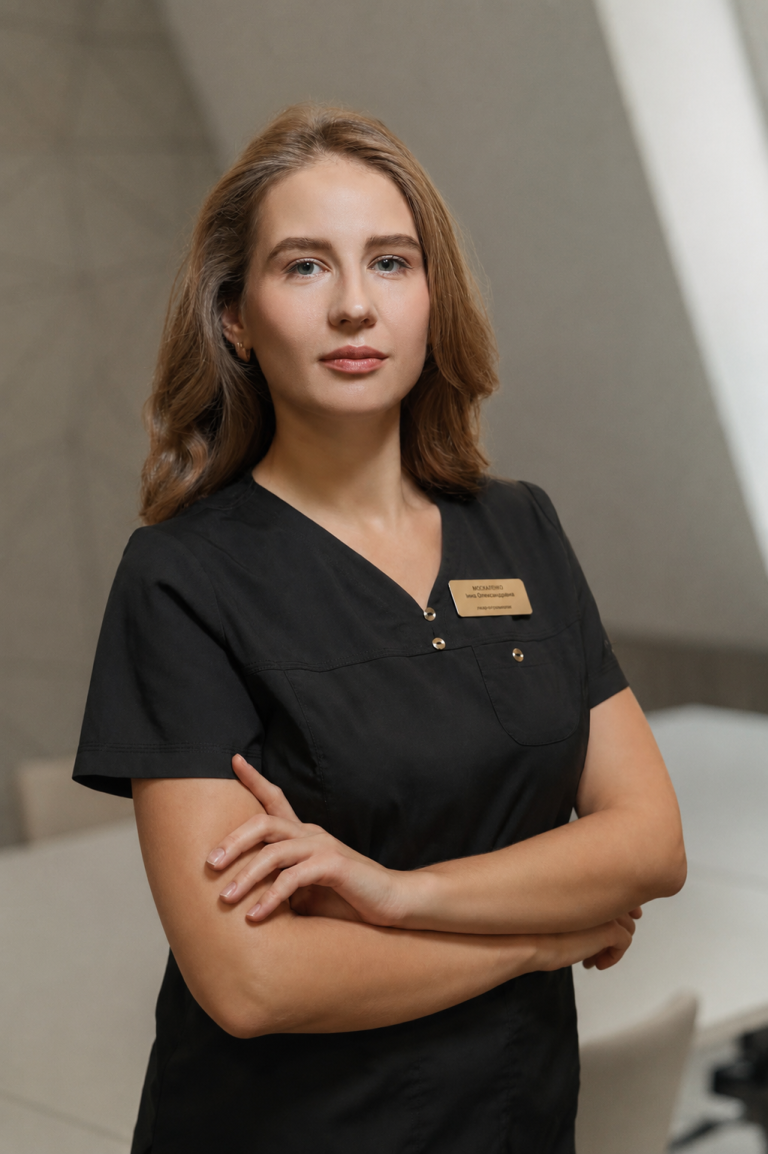
Vasyuta Vira Anatoliivna, neuro-ophthalmologist, Doctor of Medical Sciences
Head of the field, neuro-ophthalmologist

Vasyuta Vira Anatoliivna

Ophthalmologist of the highest category, neuro-ophthalmologist, Doctor of Medical Sciences, senior researcher, head of the Ukrainian Neuro-Ophthalmological Association.

She has 25 years of clinical and scientific experience and is the author of the first monograph on neuro-ophthalmology in Ukraine. She applies an interdisciplinary approach at the intersection of ophthalmology, neurology and neurosurgery.

Doctor of Medical Sciences The first monograph on neuro-ophthalmology in Ukraine

How much a neuro-ophthalmologist consultation costs

Comprehensive neuro-ophthalmological examination of visual function

10 100 ₴Book an appointment

Neuro-ophthalmologist consultation based on examination results

3 100 ₴Book an appointment

Consultation with a neuro-ophthalmologist, Doctor of Medical Sciences

5 100 ₴Book an appointment

Visual Evoked Potentials (VEP)

2 200 ₴Book an appointment

Frequently asked questions

Who is a neuro-ophthalmologist?

This is a doctor who specializes in diagnosing and treating vision disorders associated with diseases of the optic nerve, visual pathways, brain and central nervous system. They assess the functioning of the visual analyzer at all levels — from the retina and the optic nerve to the areas of the brain responsible for the perception of visual information.

When should you see a neuro-ophthalmologist?

In the event of sudden or gradual deterioration of vision, double vision, loss of part of the visual field, pain behind the eye, a drooping eyelid, different pupil sizes, impaired eye movements, as well as changes in the organ of vision after a stroke, injury or neurosurgical operation.

Why a consultation if the diagnosis has already been made?

To assess how the disease affects the visual system, clarify the degree of damage, determine the prognosis, adjust the treatment and draw up a plan for further follow-up.

Can vision be restored in case of optic nerve damage?

This depends on the cause, duration and degree of the damage. Early diagnosis and timely treatment increase the chances of preserving or improving vision.

Book a consultation

Early diagnosis preserves your vision

If you notice visual symptoms that a routine examination cannot explain, don't delay. Book a consultation with a neuro-ophthalmologist at the German Eye Clinic by phone or leave a request on the website.

0 800 507 670 Leave a request A consultation is available for both adults and children.
Oksana Vitovska
Medically reviewed by
Doctor of Medical Sciences, Professor, Physician of the Highest Category
Scientific Director. Medical Director

Genius PLUS and Genius PRO

Laser vision correction

Vision correction in the treatment of myopia, farsightedness and astigmatism

Genius NANO and Genius ADVANCED

Cataract treatment

The latest equipment and methods, experienced doctors!

only new technologies

Eye examination

Consultation with an ophthalmologist and an eye examination.

only new technologies

Paediatric ophthalmology

For children aged 0 to 16 years. Doctor's consultation with fundus examination.

only new technologies

Eye examination

Consultation with an ophthalmologist and an eye examination.

only new technologies

Paediatric ophthalmology

For children aged 0 to 16 years. Doctor's consultation with fundus examination.

Genius PLUS and Genius PRO

Laser vision correction

Vision correction in the treatment of myopia, farsightedness and astigmatism

Genius NANO and Genius ADVANCED

Cataract treatment

The latest equipment and methods, experienced doctors!

Neuro-ophthalmology

About clinic

Vitovska Oksana Petrivna

Scientific director of the clinic. Medical Director

Our doctors

Information for patients

Contact us

Sign up for a consultation

"*" indicates required fields

This field is for validation purposes and should be left unchanged.
Your name*

Genius PLUS and Genius PRO

Laser vision correction

Vision correction in the treatment of myopia, farsightedness and astigmatism

Genius NANO and Genius ADVANCED

Cataract treatment

The latest equipment and methods, experienced doctors!

only new technologies

Eye examination

Consultation with an ophthalmologist and an eye examination.

only new technologies

Paediatric ophthalmology

For children aged 0 to 16 years. Doctor's consultation with fundus examination.

only new technologies

Eye examination

Consultation with an ophthalmologist and an eye examination.

only new technologies

Paediatric ophthalmology

For children aged 0 to 16 years. Doctor's consultation with fundus examination.

Genius PLUS and Genius PRO

Laser vision correction

Vision correction in the treatment of myopia, farsightedness and astigmatism

Genius NANO and Genius ADVANCED

Cataract treatment

The latest equipment and methods, experienced doctors!

Neuro-ophthalmology

Contact us

Sign up for a consultation

"*" indicates required fields

This field is for validation purposes and should be left unchanged.
Your name*