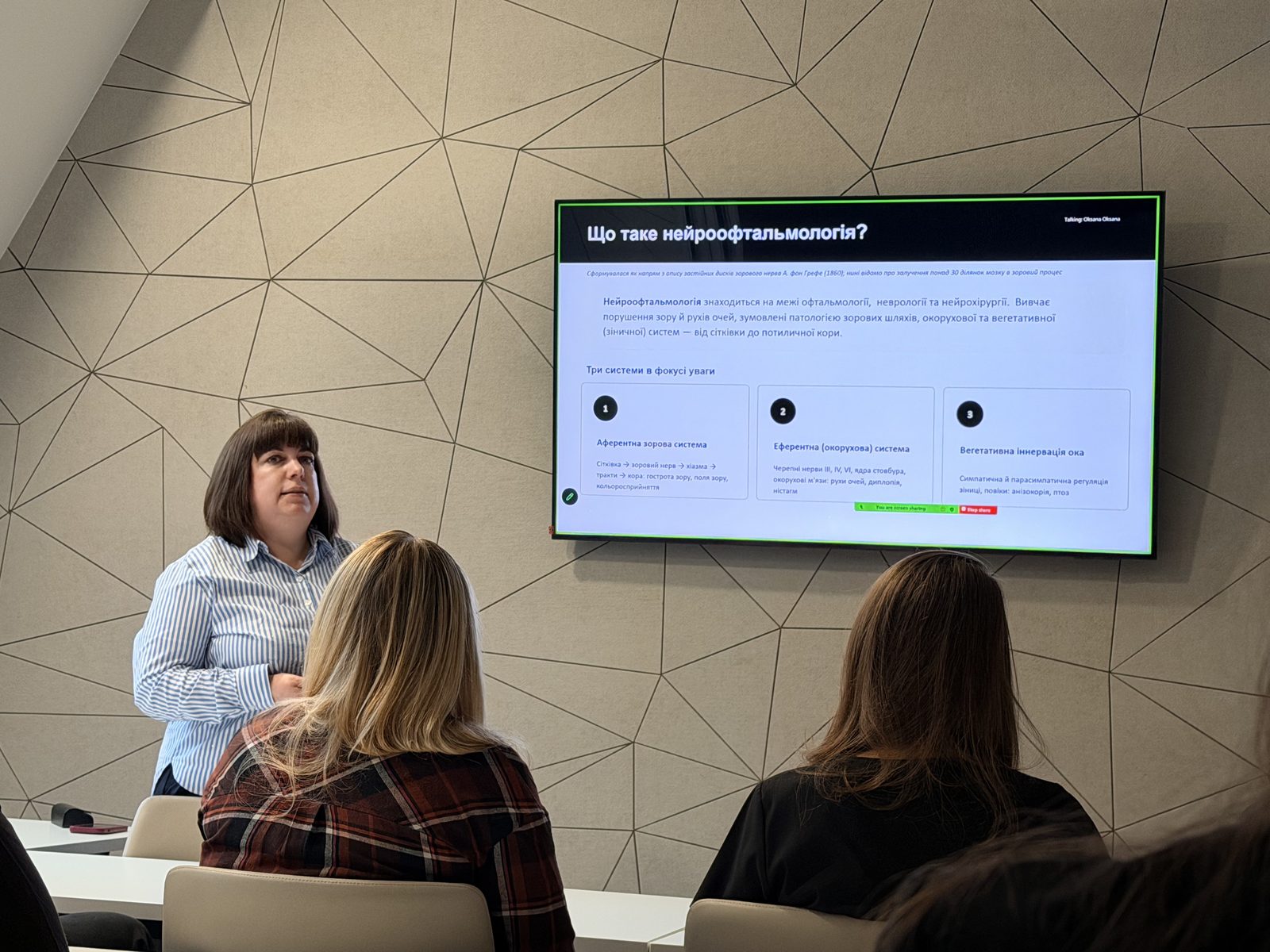
At the German Eye Clinic we held training for our doctors, dedicated to one of the most demanding areas of modern ophthalmology — neuro-ophthalmology and the method of visual evoked potentials (VEP).

Why this matters for patients
Neuro-ophthalmology sits at the crossroads of ophthalmology, neurology and neurosurgery. Its core idea is critically simple: visual symptoms are often the first — and sometimes the only — sign of serious brain or nervous-system disease. A neuro-ophthalmologist effectively “looks through the eye into the brain”. A sign recognised in time can not only preserve sight but save a life.
Lecturers
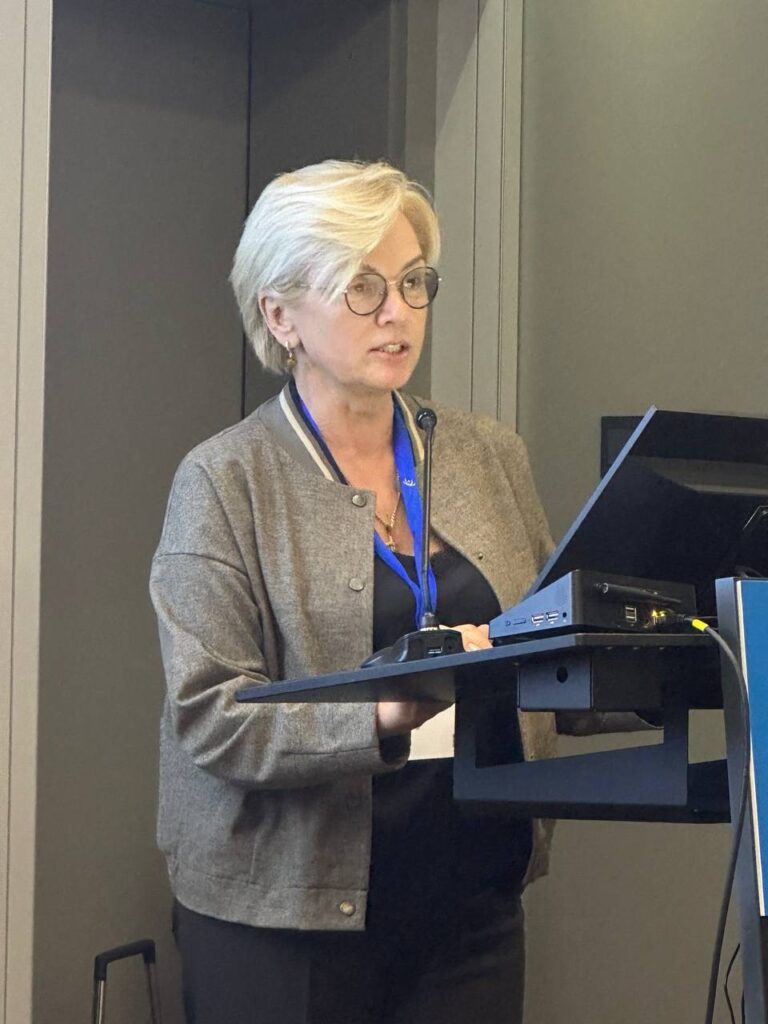
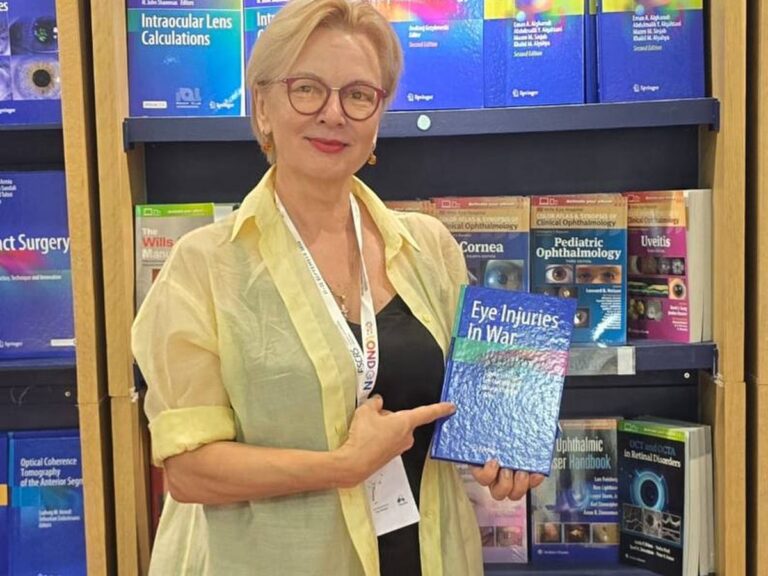
- Vira Vasiuta — ophthalmologist of the highest category, neuro-ophthalmologist, Doctor of Medical Sciences, head of the Ukrainian Neuro-ophthalmological Association and author of the first Ukrainian monograph on neuro-ophthalmology; over 25 years of clinical and academic work.
- Mariia Kyslitska — ophthalmologist and neuro-ophthalmology specialist, proficient in optical coherence tomography (OCT), automated perimetry and visual evoked potentials; works at the A. P. Romodanov Institute of Neurosurgery, NAMS of Ukraine.

What we covered during the training
- Optic disc oedema (papilloedema) — from early signs to differentiation from papillitis, ischaemia and central retinal vein thrombosis;
- Clinical “masks”, when a visual complaint actually signals a stroke, a brain tumour or migraine;
- Pupillary reaction assessment — a fast, objective test of the visual pathway, including the swinging-flashlight test and detection of a relative afferent pupillary defect (RAPD);
- Ocular motility disorders — palsies of the III, IV and VI nerves, diplopia and nystagmus;
- Instrumental diagnostics — perimetry, optical coherence tomography (OCT) and fundus photography;
- Visual evoked potentials (VEP) — an objective way to test the visual pathway from the retina to the occipital cortex, working even where standard tests cannot (in children, or when hidden pathology is suspected).
The lecturers answered questions from the audience and worked through real clinical cases.
Training for patient safety
Continuous team education is our investment in the quality and safety of care. The deeper our doctors’ command of modern diagnostics, the earlier we detect dangerous conditions — and the more reliably we protect our patients’ sight and health.
Neuro-ophthalmology consultations and tests at our clinic are described on the page neuro-ophthalmology.