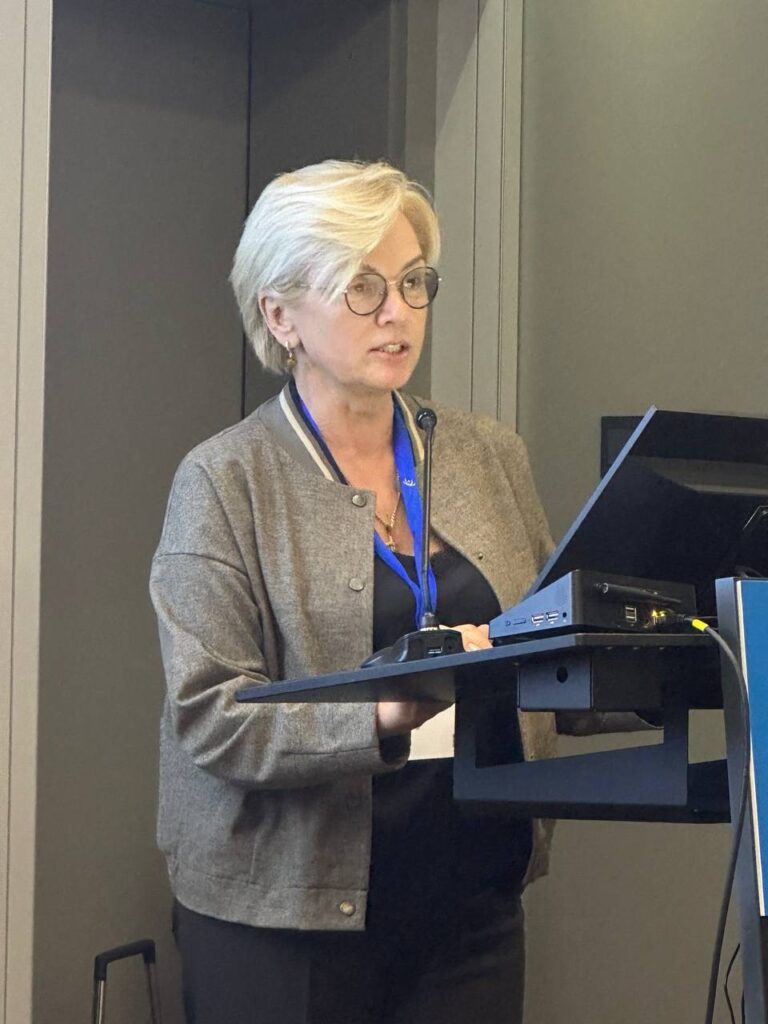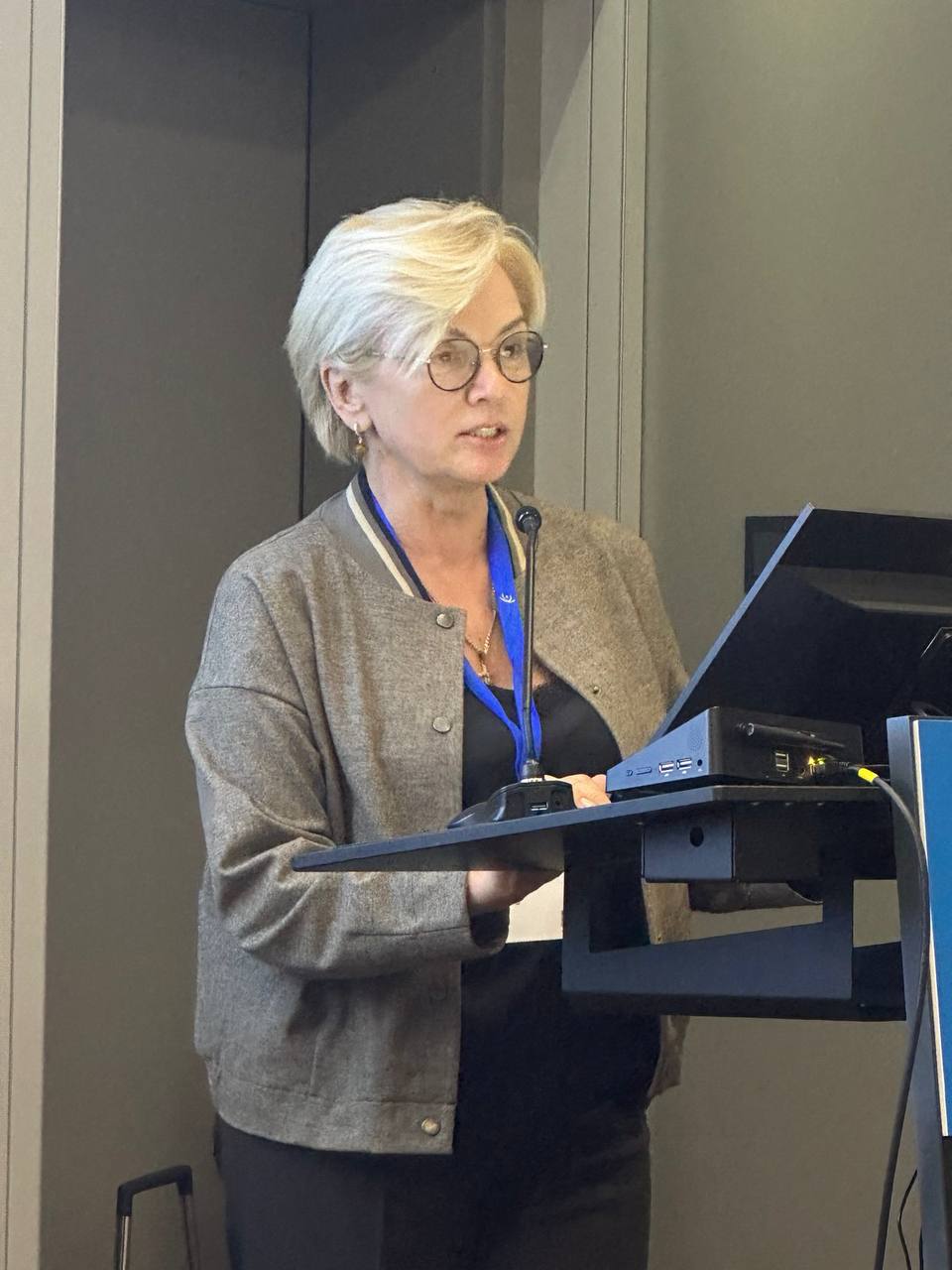
8 October is World Sight Day. To mark the occasion, Professor Oksana Vitovska — Medical Director and Scientific Consultant of the German Eye Clinic, Head of the All-Ukrainian Alliance of Ophthalmologists, MD, PhD, and Professor at the Department of Ophthalmology of Bogomolets National Medical University — joined a live broadcast on Suspilne, Ukraine’s public broadcaster.
The conversation covered how sight is restored to people injured in the war, which technologies make this possible, and how stress, lack of sleep and power outages affect eye health.
Combat eye injuries need a team
According to Professor Vitovska, the biggest challenge today is that the nature of injuries has changed. A combat injury is rarely isolated: usually several structures of the eye are damaged, and often other organs too. Such a patient needs a team — an ophthalmologist and a vitreoretinal surgeon, working alongside a neurosurgeon, a maxillofacial surgeon and other specialists.
Modern methods are already available in Ukraine
Eye surgery has changed a lot in recent years, and high-tech methods are used in Ukraine:
- a 3D model of the injured area (for example, the orbit) to choose implants or prostheses for each patient before surgery;
- intraoperative imaging — during surgery the surgeon sees even individual retinal layers and can check the result;
- reconstruction of the eye surface with amniotic membrane, corneal transplantation (keratoplasty) and keratoprosthesis.
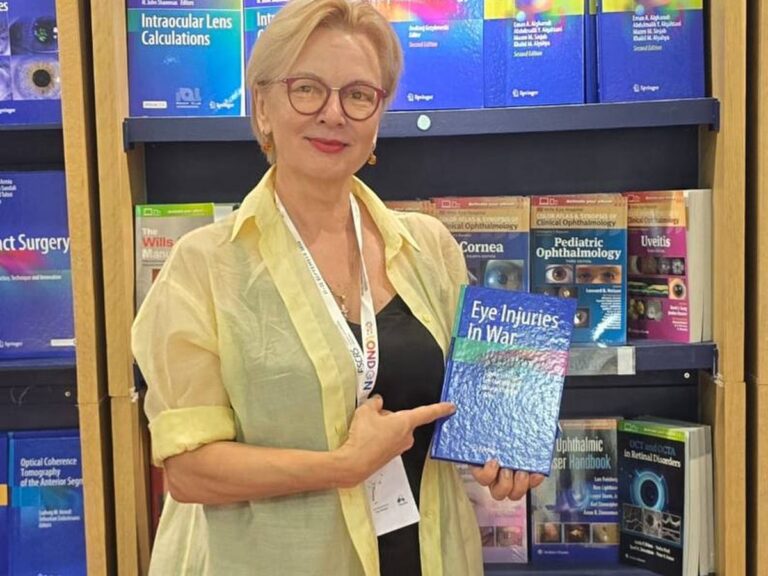
Early in the war, Ukrainian doctors learned a great deal from international experts who came to Ukraine. Today our eye surgeons present their own results at international congresses and share their experience.
Stress, shelters and eyesight
The war has made it harder to see a doctor, so more and more patients arrive with advanced stages of diseases such as diabetic retinopathy and glaucoma. Stress itself, the professor explains, does not directly affect vision. But disrupted sleep and daily rhythms are linked to dryness, redness and watery eyes. And using a phone in a dark room creates strong contrast that tires the eyes.
Professor Vitovska’s advice:
- use free time to get proper sleep;
- spend more time outdoors;
- see an ophthalmologist on time.
Protecting children’s eyes during blackouts
- do not do homework in complete darkness — this is risky for children and adults, especially those at risk of raised eye pressure;
- a candle is not enough; use an ordinary lamp that does not dazzle and lights the work surface evenly;
- make sure the child sits properly;
- spend at least two hours outdoors in daylight every day — this helps control myopia, which is becoming more common in children.
A child will not tell you they can’t see well — they simply don’t realise it. Parents should watch whether the child squints, struggles to see things far away, or tilts their head when looking.
If you notice anything like this, book an eye examination at the German Eye Clinic.